Four labels, none ranked above another
Four labels side by side, no good-or-bad ranking. Look at the label and pick the group that fits you. A dish can carry more than one at once. Each label comes in two versions with the same meaning: a colour one and a black-and-white one, depending on how it's printed on the packaging.

The dish has nothing added for sweetness. Usually savory, like chicken breast or eggs. Good when you want a purely savory meal.

Sweetness sits inside whole ingredients: fruit, vegetables, grains, fiber still there. Good when you want to eat as natural as possible.


Sweetness from concentrated natural nectars: honey, coconut nectar, maple. Good when you like a clearer natural sweetness.
Sweetness from no-sugar sweeteners like monk fruit and stevia. Almost no effect on blood sugar. Good when you're watching calories or want to go light on sugar.
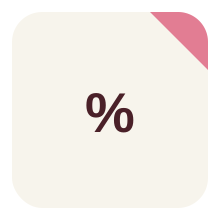

A few store-bought savory sauces (oyster sauce, soy sauce) carry a little sugar. When a dish has some, we fill one corner of the label block solid and write the exact percentage. It's not a label, just a note for you.